

Best Electric Patio Heaters
It has a variety of temperature settings, and it protects you from overheating. It's also easy to move about the garden.
Gas patio heaters can put out lots of warmth over a bigger area, but it will require a regular refill of natural gas or propane. This is a great option for large gardens that are equipped with lots of outdoor seating and couches.
1. Infrared heaters
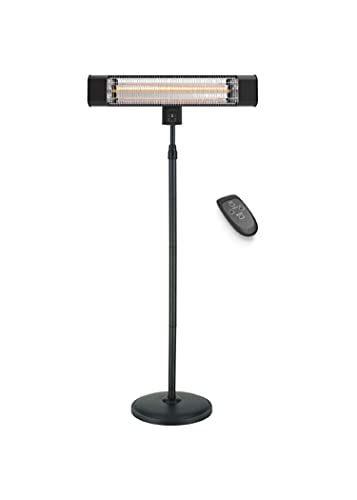
Most of the electric freestanding patio heaters that we test were infra red models. These are cheaper than gas-powered versions and, in the event you pick wisely they will have lower operating costs too. There's also little assembly required and you don't have to refill a propane tank.
The top ones come with a remote control for easy operation and a built-in LED light to provide ambience. One of our top picks, from German company Herschel makes use of circular carbon filaments to radiate mediumwave infrared heat over a table-sized area and is equipped with simple-to-use heat settings and 360deg oscillation. The Westinghouse 1500 Watt Infrared Heater is a different alternative. It makes use of an aluminum reflector that focuses the beams of heat on your favorite area.
Both models are energy efficient and emit a soft light that is clean and fresh. However the Herschel is more modern, making it more suitable for modern-day garden spaces or if you're looking to blend it in with your outdoor furniture. It can also be used with home automation systems to allow you to set your preferred brightness and temperature which can save more energy in the long term.
You should be aware that infrared heaters are efficient but they only heat things and people who are in direct contact with the heater. They cease to work when you move away. It will also not heat your patio if the winds blow it around.
On the other the other hand, gas heaters provide warmth to a greater area if they aren't moved, and they can be equipped with a wind-shield to keep them in place. They're usually found in pub gardens and offer a warm 'burning log' effect that is attractive in a variety of decors.
Propane patio heaters are less efficient, and they can also generate more noise and smog. Electric heaters are less environmentally friendly than propane, which is required to be replenished when it is empty. electric patio heater free standing are more expensive and produce more heat.
2. Gas heaters
As Summer begins to wind down and evenings turn chilly it's the perfect the perfect time to get an outdoor heater that will keep you outdoors longer. There are plenty of options to choose from regardless of whether you opt for gas or electric, ranging from small tabletop models up to floor-standing units designed to warm large outdoor spaces like a decked backyard.
Gas heaters are more expensive to buy however they can be more expensive to operate. According to Heat Outdoors "they are amongst the most inefficient, both in terms of the amount of energy they consume and the heat they generate". A typical 13kg cylinder costs PS90 or PS50 for refilling, and will last approximately 13 hours.
Unlike gas, electric heaters use radiant heat to warm people and objects rather than the air. Electric heaters are less expensive to run, and have a lower carbon footprint. They are also much easier to use. Simply connect them to the power source and switch them on, while you may have to build an outdoor fire or wait for a propane model to heat up.
Electric heaters that are suitable for outdoor use can be utilized in a variety of settings such as bars, restaurants, and private gardens. They can be used in open or closed spaces, and some come with built-in dimmer switches to allow you to control the intensity of the light. They are also smaller than gas models and they can be easily moved. This is very beneficial if you need to move your heater from one area of your garden to another.
These heaters are plugged in and require an extension cord rated for outdoor equipment. The majority of electric heaters aren't allowed to have an extension lead that is longer than 1.8m. This is to ensure that they comply with safety standards. It is also important to be aware of blocking any outdoor sockets nearby or leaving the cable trailing.
3. Freestanding heaters
These freestanding electric patio heaters are ideal for those who like the design of a gas heater, but do not want to be limited by its location or to cut costs. They're powered by electricity, so they're quick to heat up and easy to operate with the flick of a button or remote. These are also cheaper to operate than their gas-powered counterparts.
This one from Kettler is elegant and stylish piece that won't appear out of place with your rattan garden furniture and is weatherproof for use all year round. Its IP55 rating shields it from dust from the wind and rain (although we don't suggest using a high pressure hose on it). The model also has 3 heating levels to suit your needs, as well being a timer shutoff between 1-9 hours.
This electric model from Blumfeldt is another alternative for those who do not want to be limited by the location of a heater for their patio. It is available in two sizes and boasts numerous features, including remote control and a timer shut-off function and a 360deg oscillation. It is also splash-proof to provide you with peace of mind. However, we don't recommend that you let it get wet for too often as this can alter the performance and lifespan of the heater.
A favorite choice for many customers This portable heater for patios is a budget-friendly choice for those who want to be in control of their heating. It's user-friendly with a remote control, 2 heating settings, and the ability turn on and off the light from the distance. It also comes with a built-in safety feature that shuts the device off if it's tilted.
Electric patio heaters emit no carbon monoxide unlike gas heaters for patios. This makes them an ideal choice for pet owners or children who have not yet developed the maturity to recognize the dangers of standing too close to a flame. These models are ideal for gazebos and large outdoor spaces, as they can quickly heat up an area up to 15 square meters. They're very lightweight and easy to move about, and many come with the option of a remote so that you can adjust settings from your chair.
4. Wall-mounted heaters
After the summer is over and your kids have returned to school, it's time to think about adding some warmth to your outdoor space. If you're looking for a stand-alone model or one that is wall-mounted, there's plenty to pick from the electric range.
This popular choice combines the functionality of a gas heater with low running costs. It can be wall-mounted or positioned on a pedestal base which makes it suitable for gazebos and covered porches, as well as small gardens in which a freestanding model may appear too big. It comes with an adjustable remote control to regulate the heat. Users say they find it an ideal Goldilocks option, as it's warm enough to cut through the chill, without becoming too hot.
The major benefit of electric patio heaters is that it can be placed in a restricted space, such as garages that are covered, because it doesn't emit pollutants like carbon monoxide and other gases that pose a threat to your health. In contrast, gas heaters must be used in open spaces with adequate ventilation or risk contaminating your home.
The downside is that electric models are generally more expensive than gas ones. They're also less portable, requiring access to an electrical outlet. This is especially important for those who live in an area with high energy costs.
Electric heaters may not be as powerful as gas heaters however, there are many options in the PS50 to PS200 price range. Some are hung from parasols or awnings. Others are powered by rechargeable batteries.
This is a great choice for those looking for an infrared heater that is affordable to operate. It's available in two sizes and comes with many features, including 360deg oscillation and easy-to-use temperature settings. It's also classified as IP44 which means it can withstand splashes of water and light rain.